


J.L.Borges - El tango
- Ioanna Papachristou

- Aug 21, 2020
- 5 min read
Updated: Sep 1, 2020
The great argentinean poet J.L.Borges did not actually write tango lyrics. However, he has been interested in studying the argentine tango and thus, did write some works related or dedicated to this special culture of his homeland. El tango is one magnificent poem, hard to translate because of the particular cultural context but definitely worthy of reading.
El tango, 1964 (original text)
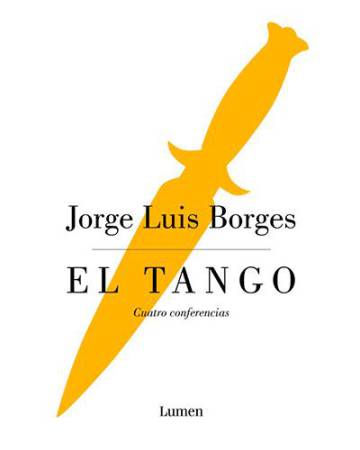
>>>Greek and English below
¿Dónde estarán? pregunta la elegía
de quienes ya no son, como si hubiera
una región en que el Ayer, pudiera
ser el Hoy, el Aún, y el Todavía.
¿Dónde estará? (repito) el malevaje
que fundó en polvorientos callejones
de tierra o en perdidas poblaciones
la secta del cuchillo y del coraje?
¿Dónde estarán aquellos que pasaron,
dejando a la epopeya un episodio,
una fábula al tiempo, y que sin odio,
lucro o pasión de amor se acuchillaron?
Los busco en su leyenda, en la postrera
brasa que, a modo de una vaga rosa,
guarda algo de esa chusma valerosa
de Los Corrales y de Balvanera.
¿Qué oscuros callejones o qué yermo
del otro mundo habitará la dura
sombra de aquel que era una sombra oscura,
Muraña, ese cuchillo de Palermo?
¿Y ese Iberra fatal (de quien los santos
se apiaden) que en un puente de la vía,
mató a su hermano, el Ñato, que debía
más muertes que él, y así igualó los tantos?
Una mitología de puñales
lentamente se anula en el olvido;
Una canción de gesta se ha perdido
entre sórdidas noticias policiales.
Hay otra brasa, otra candente rosa
de la ceniza que los guarda enteros;
ahí están los soberbios cuchilleros
y el peso de la daga silenciosa.
Aunque la daga hostil o esa otra daga,
el tiempo, los perdieron en el fango,
hoy, más allá del tiempo y de la aciaga
muerte, esos muertos viven en el tango.
En la música están, en el cordaje
de la terca guitarra trabajosa,
que trama en la milonga venturosa
la fiesta y la inocencia del coraje.
Gira en el hueco la amarilla rueda
de caballos y leones, y oigo el eco
de esos tangos de Arolas y de Greco
que yo he visto bailar en la vereda,
en un instante que hoy emerge aislado,
sin antes ni después, contra el olvido,
y que tiene el sabor de lo perdido,
de lo perdido y lo recuperado.
En los acordes hay antiguas cosas:
el otro patio y la entrevista parra.
(Detrás de las paredes recelosas
el Sur guarda un puñal y una guitarra.)
Esa ráfaga, el tango, esa diablura,
los atareados años desafía;
hecho de polvo y tiempo, el hombre dura
menos que la liviana melodía,
que solo es tiempo. El Tango crea un turbio
pasado irreal que de algún modo es cierto,
el recuerdo imposible de haber muerto
peleando, en una esquina del suburbio.
Απόδοση στα ελληνικά:
Πού να είναι? Ρωτά η ελεγεία
για όσους που δεν υπάρχουν πια, ωσάν να υπήρχε
μια περιοχή όπου το Χθες, θα μπορούσε να είναι
το Σήμερα, το Μέχρι, το Ακόμα.
Πού να είναι? (ξαναλέω) το συνάφι
που γεννήθηκε σε σκονισμένα στενά
από χώμα ή από χαμένους οικισμούς,
η σέκτα από μαχαίρι ή από κουράγιο?
Πού να είναι εκείνοι που πέρασαν,
αφήνοντας στην εποποιία ένα επεισόδιο,
έναν μύθο στο χρόνο, και που χωρίς μίσος,
που χωρίς κέρδος ή πάθος ερωτικό μαχαιρώθηκαν?
Τους αναζητώ στο θρύλο τους, στην ύστατη
θράκα που, με τον αόριστο τρόπο του ρόδου,
διατηρεί κάτι από εκείνη τη γενναία φυλή
των Corrales και των Balvanera.
Ποιά σκοτεινά δρομάκια ή ποιό έρημο
του άλλου κόσμου θα κατοικήσει τη σκληρή
σκιά εκείνου που ήταν ο ίδιος μια σκοτεινή σκιά,
του Muraña, αυτού του μαχαιριού του Παλέρμο?
Κι εκείνος ο Iberra, ο θανατηφόρος (που οι άγιοι
τον οικτίρουν), που σ’ένα γεφύρι του δρόμου
σκότωσε τον αδερφό του, Ñato, που χρωστούσε πιότερους
θανάτους κι απ’τον ίδιο, κι έτσι εξίσωσε το χρέος.
Μια μυθολογία από στιλέτα
αργά ακυρώνεται στη λήθη.
Ένα τραγούδι κατορθωμάτων έχει χαθεί
ανάμεσα σε άθλιες πολιτικές ειδήσεις.
Υπάρχει άλλη θράκα, άλλo φλογισμένο ρόδο,
αυτή της στάχτης που τους κρατά ολάκερους.
Εκεί είναι οι περήφανοι μαχαιράδες,
και στο βάρος του σιωπηλού στιλέτου.
Ακόμα κι αν το εχθρικό στιλέτο, ή ένα άλλο,
ο χρόνος, τους απώλεσαν μες στη λάσπη,
σήμερα, πιο πέρα από τον χρόνο και τον άτυχο
θάνατο, οι νεκροί αυτοί ζουν μες στο tango.
Μες στη μουσική του ζουν, μες στις χορδές
της πεισματάρας κι επίπονης κιθάρας,
που αφηγείται, μες στη χαρούμενη milonga,
τη γιορτή της αθωότητας του γενναίου.
Γυρίζει στο κενό η κίτρινη η ρόδα
των αλόγων και των λιονταριών, κι ακούω την ηχώ
αυτών των tangos του Arolas και του Greco
που είδα να χορεύονται στο πεζοδρόμιο,
σε μια στιγμή που σήμερα αναδύεται μεμονωμένη,
χωρίς πριν, χωρίς μετά, κόντρα στη λήθη,
και που έχει τη γεύση του χαμένου,
του χαμένου και του ανακτημένου.
Στα ακόρντα του υπάρχουν πράγματα αρχαία:
η άλλη αυλή και το αμπέλι να μισοφαίνεται
(Πίσω από καχύποπτους τοίχους
Ο Νότος φυλά ένα μαχαίρι και μια κιθάρα.)
Αυτή η ριπή, το tango, αυτό το διαβολόπραμα,
τα απασχολημένα χρόνια προκαλεί.
Φτιαγμένος από σκόνη και χρόνο, ο άνθρωπος διαρκεί
λιγότερο από την ελαφριά μελωδία,
που μόνο είναι χρόνος. Το tango γεννά ένα σκοτεινό
παρελθόν, εξωπραγματικό, που με κάποιο τρόπο είναι βέβαιο,
την απίθανη ανάμνηση του να έχεις πεθάνει
μαχόμενος, σε μια γωνιά του προαστίου.
English:
Where can they be? the elegy is asking,
of those who no longer are, as if
there were a place where the Before
could be Today, Yet or Until.
Where could they be? (I repeat)
the gang, born in dusty alleys of dirt
or in neighborhoods lost,
the sect of the knife and the courage?
Where would be those who passed,
leaving back an epic legend in time,
and those who stabbed and got stabbed
without hatred, profit or passion of love?
I seek for them in the epic, in the last
ember that, in the vague way of a rose,
saves some of that brave race
of the Corrales and the Balvanera.
What dark alleys or what wasteland
of the other world will take the shadowy
shape of the one who was a dark
shadow himself, Muraña, the knife from Palermo?
And that fatal Iberra (pity of the saints),
who, on a bridge by the road, his brother
killed, el Ñato, who owed more deaths
than himself, and thus payed the bill for many?
A mythology of daggers
slowly fades into oblivion;
A song of deeds that's been lost
among sordid political news.
There is another ember, another red fiery rose
that of the ash that keeps them alive;
it's where the superb knivers lie
and in the weight of the silent dagger.
Be it a hostile dagger, or the other dagger,
that's Time, that have lost them in mud,
today, beyond Time and the unfortunate death,
those dead still live inside tango.
Inside music they are, in the strings
of the stubborn and painful guitar,
in the milonga singing adventures
and fiesting on the innocence of the brave.
The yellow wheel of horses and lions
turns in a hole, and I hear the echo
of those tangos by Arolas and Greco
that I've seen danced on the sidewalk,
in an instant that alone emerges today,
without before or after, against oblivion,
and that has the taste of the lost,
of the lost and the recovered.
In its chords I find old things:
the other yard and entangled, the vine.
(Behind suspicious walls, the South
hides a dagger and a guitar.)
That outburst, the tango, that devilry,
defies the busy years, made of
dust and time, and men do not endure
as long as the light melody
that is simply time. The tango creates
a shady, unreal past that is somehow true,
an impossible memory of having died
fighting, in a corner of the slums.

Comments